
If you’re the CEO, COO, or a department head, you know how hard it is to get your leadership team in the same room to actually focus on strategy. Calendars pull everyone in different directions. Emails, meetings, emergencies. No one can think clearly.
That’s why strategic planning retreats exist. You take your leadership team away, block out 2-3 days, and actually plan. I’m Marcella Kuchar with Best Adventure Spots, and this is how we organize a strategic planning retreat that actually produces results: a clear strategy, an aligned team, and a plan everyone can execute.
Who Attends & What Success Looks Like
Strategic planning retreats are smaller, usually 10-25 people. It’s your C-suite, department heads, and key managers who can actually make decisions. You don’t invite the whole team; it gets too big and too unfocused.
Before we design anything, we ask: what does success look like? Usually it’s that everyone leaves with a clear plan, understands their role in it, and there’s no confusion. But the starting point varies. Some companies come in with no strategy and want to create one, some want to refine a rough strategy, and some have a strategy but the team isn’t aligned on it. Those are three different retreats with different agendas.

A Sample 3-Day Agenda
Here’s what a typical strategic planning retreat looks like for a 15-person leadership team:
- Day 1, Arrival & Context Setting: Arrival, a welcome lunch, a 3 PM kickoff session to set context, then dinner together informally.
- Day 2, Deep Work: Two 90-minute morning sessions on strategy topics, a real afternoon break for quiet processing (not everyone thinks well back-to-back), then breakout sessions on specific initiatives, and dinner with report-outs.
- Day 3, Alignment & Action: Final alignment sessions, finalizing the plan with zero ambiguity, then a celebration lunch before heading home.
Notice this is structured but not packed. Some of the best strategy conversations happen over coffee breaks or at dinner, not in a scheduled session. The worst retreats cram everything into back-to-back sessions until people burn out and stop thinking clearly.
What the Location Actually Needs
You don’t need to fly to the Caribbean for this one. That’s overkill.
What you do need:
- Quiet. No chaos, no big conference happening next door, no resort activities pulling people’s attention.
- Real meeting space. Conference rooms or breakout spaces for sessions, whiteboards, and small groups.
- Comfortable accommodations. People need good sleep for their brains to work well.
- Easy access. Somewhere central, or with direct flights from your team’s home cities.
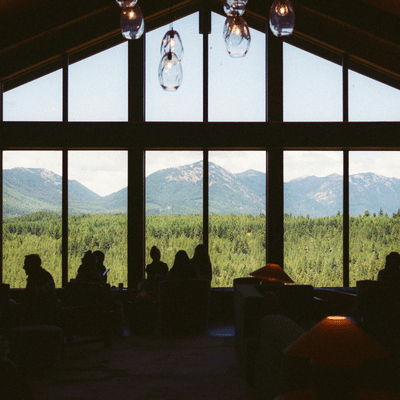
Think a mountain lodge a couple hours from headquarters, a resort in a smaller town rather than a party destination, or a nice hotel in a secondary city close to everyone. You’re looking for function, not luxury.
Budget & Planning Timeline
Typical accommodation cost runs $150-$250 per person per night. With meeting space, meals, and maybe some activities factored in, expect $3,000-$7,000 total for a 10–15 person retreat.
The planning timeline is longer than other retreat types because you need real time to think about what you’re actually planning:
- 10-12 months out: Pick your target dates.
- 8-10 months out: Lock in location and accommodations.
- 6 months out: Start building the actual agenda.
- 3-4 months out: Send invitations, confirm attendance, collect prep materials.
- 1-2 months out: Finalize and send the detailed agenda.
- 2 weeks out: Final confirmations and AV/tech check.
Building an agenda and timeline like this on your own, on top of running the business, is exactly the kind of thing an advisor takes off your plate.
Real Example: An 8-Person Leadership Team
A software company with 30 employees runs an annual strategic planning retreat in early December for the following year. Leadership team of 8: CEO, VP Engineering, VP Sales, VP Operations, CFO, Head of Product, Head of Marketing, Head of HR.
Location: A mountain resort 2.5 hours away. Quiet, good conference rooms, good accommodations.
Dates: Friday through Sunday, 3 days, so they don’t lose business days. In November, the CEO sends pre-reading (market analysis, competitive landscape, financial results) and each VP prepares a 30-minute summary of their department’s results and proposed strategy.
| Cost Item | Amount |
|---|---|
| Resort (2 nights, 8 people) | $3,200 |
| Meeting space | $500 |
| Meals (all-inclusive package) | $2,000 |
| Flights (local team) | $0 |
| Total ($712/person) | $5,700 |
Result: they left with a clear annual plan. Each department head knew their goals, the team was aligned, and they actually executed the plan. That’s a successful strategic planning retreat.
Common Mistakes We See
- Inviting everyone. It becomes a party instead of a planning session. Keep it to decision-makers only.
- No pre-work. Showing up expecting to plan strategy on the fly rarely works. People need to have done their homework.
- An agenda that’s too packed. Back-to-back sessions burn people out before real thinking happens.
- No documentation. Great conversations happen, then nobody remembers what was decided. Get it written down before everyone leaves.
- The wrong location. A party resort means constant distractions. You need a place conducive to thinking.
Strategic planning retreats aren’t vacations. They’re focused work sessions away from the office. Be intentional: think about your goals, get the right people, choose the right location, build a good agenda, and document everything as you go.
Corporate Travel Advisors

Follow Us:
Let’s Plan Your Next Event!
Planning a Different Kind of Retreat?
Strategic planning is one of four corporate retreat types we plan regularly. See team building & company culture retreats, professional development retreats, or client appreciation trips if one of those better matches what you’re planning. Or see the full range of what we handle on our corporate group travel page.
Strategic Planning Retreat FAQs
Usually 10-25 people, your C-suite, department heads, and key managers who can make decisions. Larger groups make it harder to stay focused on strategy.
Start 10-12 months out. The timeline is longer than other retreat types because you need real time to prepare the actual strategy content, not just book a venue.
For a 10-15 person leadership team, expect $3,000-7,000 total, or roughly $150-250 per person per night for accommodations plus meeting space and meals.